



THE ROOT CAUSE
All forms equine respiratory problems share the same cause: irritation and inflammation in the upper and lower airway and increased mucus. This restricts our horse’s ability to make full use of its capacity to inhale oxygen and to exhale carbon dioxide.
Over 80% of active sport horses are estimated to have some degree of respiratory challenge. After lameness, veterinarians typically look to respiratory function as the most common reason for decreased performance. A 2018 study of over 700 horses determined that 88% had some level of respiratory disease.
Clear Symptoms
Severe equine asthma sits at the extreme end of the spectrum, but respiratory issues do not always present so clearly. While advanced disease is easier to recognise, many horses show subtle warning signs long before airway inflammation begins to affect health and performance.

Obvious Signs
Laboured breathing, chronic coughing, wheezing and exercise intolerance are clear indicators of respiratory challenge and should never be ignored.

Subtle Signs
Mild to moderate issues can be harder to spot, showing as an occasional cough, nasal discharge, slower recovery after exercise or unexplained drops in performance.

Act Early
Respiratory disease exists on a spectrum. The best way to protect long-term health and performance is to identify and manage airway inflammation early, before it progresses.
TREATMENTS
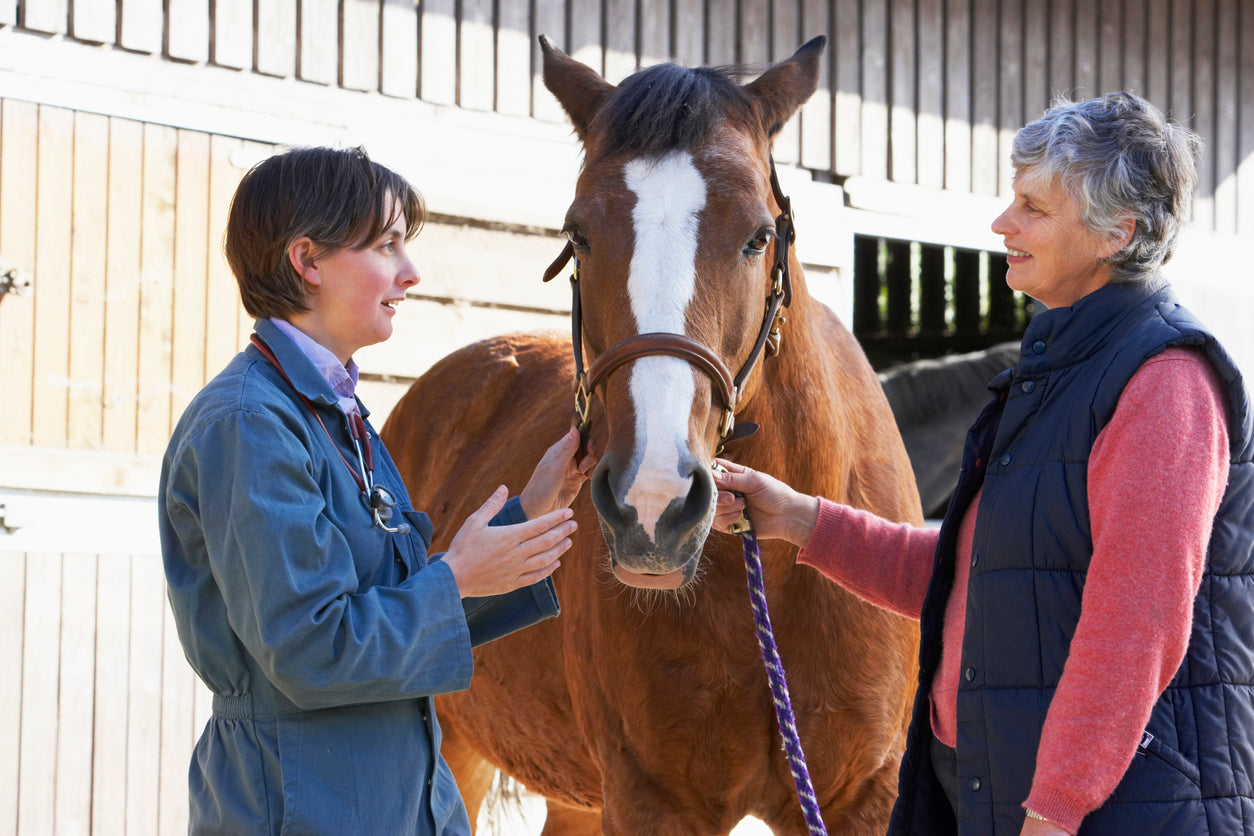
Bouts of Severe Equine Asthma symptoms require medical approaches: systematic or inhaled corticosteroids to control inflammation and excess mucus, and bronchodilators to open the airways.
Neither are suitable for long term use. Corticosteroids have side effects and bronchodilators open the airways to more respirable particles that triggered the problem in the first place.
Reducing dust in our horses’ environment is veterinarians’ top advice for preventing and/or managing respiratory disease in any form.
PREVENTION
SCIENCE-LED SOLUTIONS FOR HEALTHIER HORSES
HAYGAIN HAY STEAMERS
Haygain Hay Steamers are the only scientifically proven method to significantly reduce 99% of respirable dust, mould and bacteria in hay. By delivering consistent high-temperature steaming, they provide cleaner, more hygienic forage without reducing nutritional value—supporting respiratory health with every feed.
SHOP NOWHAYGAIN COMFORTSTALL
ComfortStall creates a sealed, wall-to-wall surface that prevents urine from seeping beneath the floor—reducing ammonia build-up and improving stable air quality. Combined with superior comfort and support, it helps create a healthier environment for both respiratory and musculoskeletal health.
LEARN MOREHAYGAIN HAY FEEDERS
Haygain Hay Feeders encourage slower, more natural forage intake—extending eating time and reducing gaps without forage. Increased chewing promotes saliva production, helping to buffer stomach acid and support digestive health. By allowing horses to eat in a more natural, head-down position, they also support normal drainage of the respiratory tract, helping clear mucus and reduce the risk of airway irritation, while keeping forage clean and minimising waste.
LEARN MOREFENCING & TURNOUT SYSTEMS
Flexible fencing solutions support safe turnout, helping reduce time spent in the stable where dust and allergens accumulate. Encouraging movement and fresh air exposure plays a key role in supporting respiratory health and overall wellbeing.
LEARN MORE


